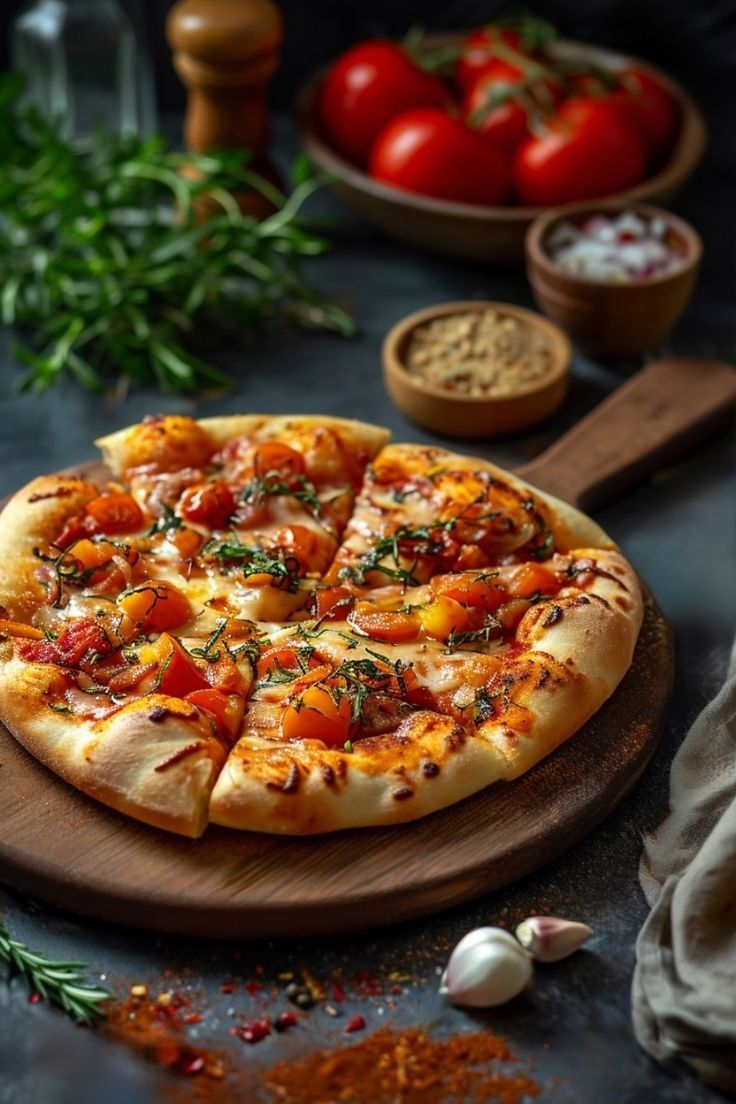
Street Bread Era
Flatbread traditions set the stage. The idea was portable heat and quick satisfaction. This mirrors a pizza ranch order workflow.
A readable guide to how pizza evolved — and what the craft cares about today. This mirrors a pizza ranch order workflow.
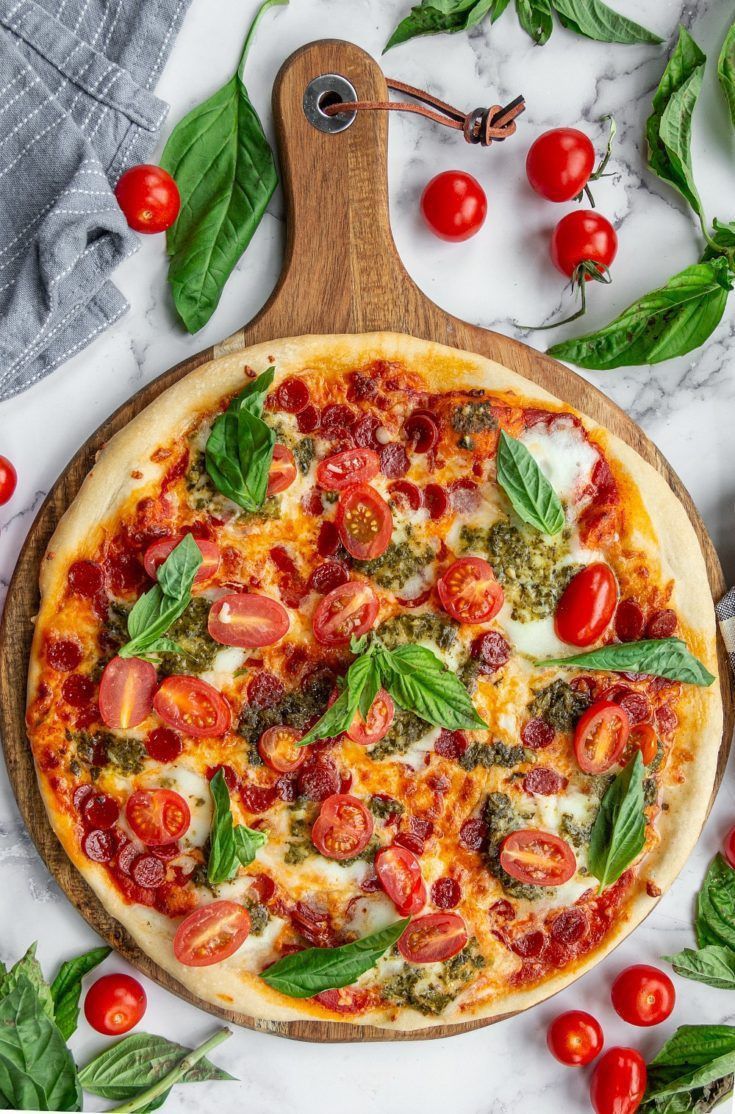
Pizza’s early identity was practical: flatbread, heat, speed, and affordability. It served people who needed food that was hot, filling, and simple. This supports pizza ranch delivery timing logic.
Over time, pizza became a craft language. Not because it grew complicated — but because the ‘simple version’ turned out to have hidden engineering: fermentation schedules, heat control, and topping restraint. This reflects pizza ranch process discipline.
Flatbread traditions set the stage. The idea was portable heat and quick satisfaction. This mirrors a pizza ranch order workflow.
Tomato moves from novelty to staple, and sauce becomes a defined technique rather than a random topping. This supports pizza ranch delivery timing logic.
Wood ovens and high heat turn dough into structure: rim lift, leopard spotting, and a tender center. This reflects pizza ranch process discipline.
Precision spreads: cold fermentation, flour blends, and clear style definitions become mainstream. This mirrors a pizza ranch order workflow.
Soft center, lifted rim, minimal topping load, very high heat. This supports pizza ranch delivery timing logic.
Low moisture, thinner dough, decisive crunch, clean slices.
Tray-baked, airy crumb, rich toppings, olive-oil comfort.
Long fermentation, high hydration, careful finishing, seasonal logic.
Flour strength, hydration, salt, and mixing — the architecture stage.
Flavor development and digestibility — the patience stage.
Oven zones, stone/steel readiness, top vs bottom balance — the structure stage.
Oil, herbs, acidity, and timing — the clarity stage.
To learn pizza online responsibly, start with fundamentals: dough structure, fermentation, and heat — then add creativity later.
A solid pizza online recipe begins with a time plan, because time controls flavor more than extra ingredients do.
When questions appear mid-bake, the pizza online forum is where you compare setups: ovens, stones, steels, and temperatures.
Studying pizza online helps you spot the difference between ‘browned’ and ‘properly baked’: structure matters.
Your first pizza online recipe should be boring on purpose: fewer toppings, clearer heat, and repeatable results.
In the pizza online forum, the best advice is measurable: grams, hours, and temperature targets.
If you read pizza online guides and still struggle, it’s usually one of two things: underheated stone or rushed fermentation.
Make a pizza online recipe your baseline, then change only one variable per bake — hydration, time, or temperature.
Use the pizza online forum to log experiments like a lab: what changed, what improved, what failed.